Commercial HVAC in Bradford
Serving Bradford and the wider West Yorkshire area, including Keighley, Shipley, Bingley.
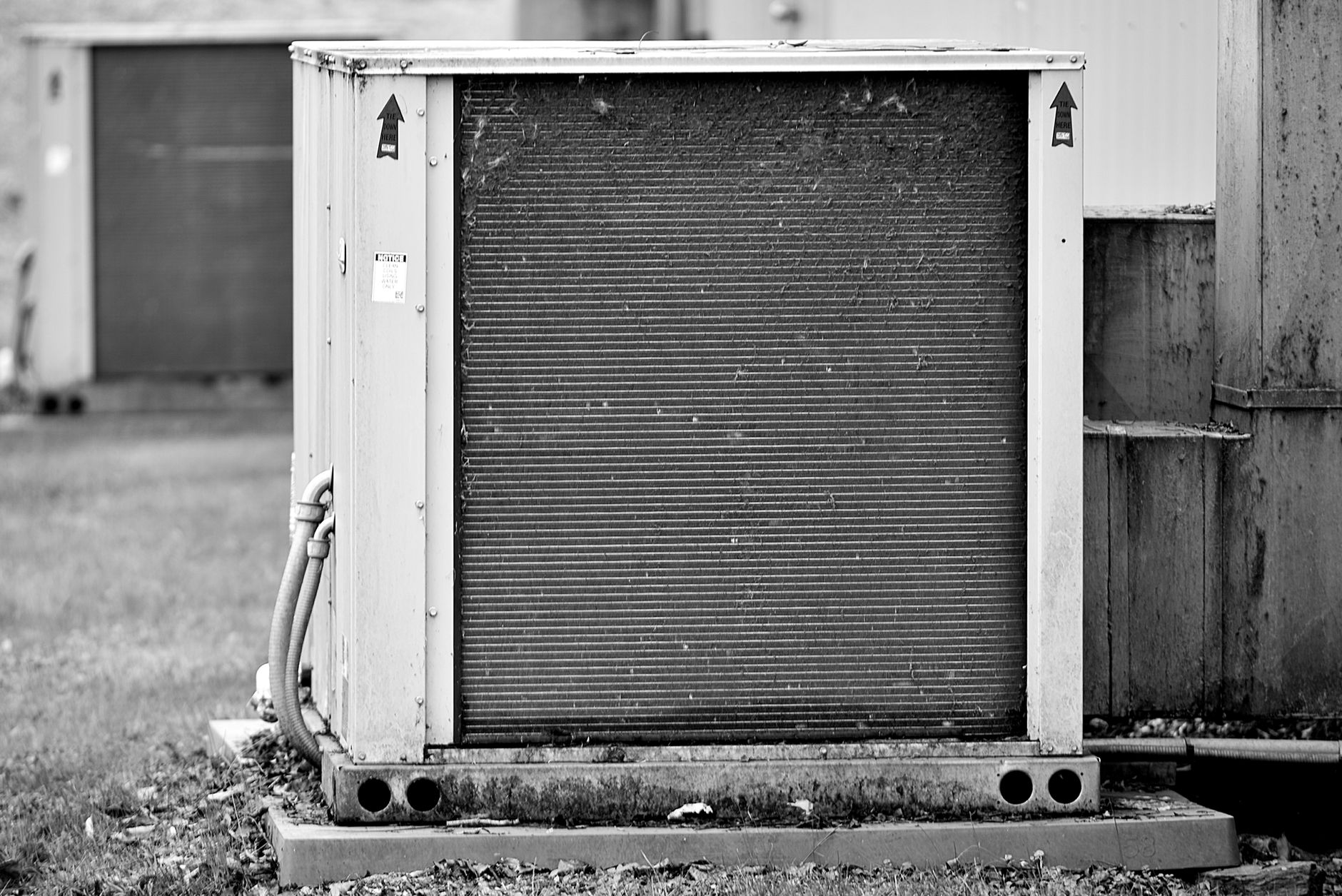
Commercial HVAC in Bradford
Bradford’s commercial HVAC challenge is written into its buildings. The city’s textile heritage left it with one of the largest estates of Victorian mills, warehouses and stone-built commercial premises anywhere in the North, and much of it has been converted into offices, studios, workshops and mixed-use. These buildings are wonderful to work in and genuinely hard to condition efficiently: solid stone walls, tall internal volumes, single glazing in the listed cases, and, around conservation areas such as Saltaire and its World Heritage Salts Mill, real limits on where external plant can go and how it can look.
That heritage sits alongside a modern logistics and light-industrial base at Euroway, Tong Park, Buck Lane and Apperley Bridge. Bradford Council targets net zero by 2038 under its Sustainable Development Action Plan, and the West Yorkshire Combined Authority Net Zero Toolkit supports SME efficiency work across the district. With a typical mid-sized commercial site spending around £35,000 a year on energy, the lowest in our regional set, HVAC measures here have to be sized and specified carefully so they genuinely pay rather than gold-plating a modest bill.
Installation and system design
A good contractor designs and installs across Bradford’s mix: converted-mill offices and studios, city-centre commercial, retail and mixed-use, and modern logistics and light-industrial units.
Converted mills and heritage stock
A tall, solid-walled former mill loses and gains heat differently from a modern office. The efficient approach usually combines good commercial ventilation and MVHR to control fresh air and recover heat, with heating and cooling zoned to how the space is actually used rather than treating the whole volume as one. Where external plant is constrained by a conservation setting, careful siting and acoustic assessment under BS 4142 matter as much as the kit itself.
Modern logistics and offices
On a Euroway or Tong Park distribution unit the work is air handling units, destratification and demand-controlled ventilation to tame the heating and fan energy that dominates a warehouse bill. For modern offices, heat-recovery commercial VRF and VRV systems move heat between zones efficiently.
F-Gas maintenance and planned PPM
Any commercial system holding fluorinated refrigerant is subject to statutory leak checks: annual at 5 tonnes CO2-equivalent, six-monthly at 50 tonnes, quarterly at 500 tonnes. Around 2.4 kg of R410A crosses the 5-tonne line, so most Bradford commercial VRF systems and larger units are in scope, and the checks must be done by an F-Gas registered company with records kept for the Environment Agency.
Our HVAC maintenance and PPM contracts wrap the statutory checks into planned visits, protect warranties, and cut reactive call-outs. For a converted-mill landlord with tenants across multiple floors, that reliability keeps the building comfortable and let, and a good contractor builds the schedule around the SFG20 task list.
Heat-pump electrification and MEES
Bradford’s 2038 target and the WYCA Toolkit make electrification worth considering, and heritage buildings are often a good fit because a heat pump avoids on-site combustion, but the running cost still depends on SCOP. A commercial heat pump pays where the SCOP closes the roughly 4:1 gap between electricity and gas prices (around 24 to 25p per kWh electricity against 6 to 7p gas on 2026 Ofgem caps; confirm current figures on gov.uk). A solid-walled mill often needs higher flow temperatures, which pushes the SCOP down, so a good contractor models it carefully and are honest about the result, and it checks whether the electrical supply needs a DNO upgrade.
On compliance, it is unlawful to continue letting commercial space below EPC E, with EPC B proposed for buildings over 1,000 sqm by 2031 (confirm on gov.uk). Older heritage stock is exactly where MEES bites hardest, so efficiency work here is often about protecting lettability.
Where the running-cost savings actually live
In Bradford’s heritage stock the savings rarely come from oversizing the plant, they come from stopping heat escaping and recovering the heat you have already paid for. A tall, solid-walled mill loses heat through poor ventilation and stratification, so mechanical ventilation with heat recovery, zoning the heating to occupied areas, and demand control on the fresh-air supply tend to cut consumption more than a bigger boiler or bigger chiller ever would. Because the typical energy bill here is modest, the discipline is to target measures with a genuine payback rather than a full rip-out that never recovers its cost, which is exactly the whole-life-cost view a good contractor brings to every survey.
Funding a Bradford HVAC project
The £7,500 Boiler Upgrade Scheme covers only heat pumps up to 45 kWth in England and Wales, not VRF, chillers or air handling units. In Bradford the West Yorkshire Combined Authority Net Zero Toolkit supports SME efficiency work, and the national tax reliefs apply throughout: the Annual Investment Allowance (100% on up to £1m a year) and, for companies, the 50% first-year allowance for special-rate assets — heating, ventilation and air-cooling plant is usually special-rate, so full expensing does not normally apply, with Climate Change Agreement relief on the levy for eligible energy-intensive sectors. For a converted-mill landlord watching a modest budget, matching the measure to the relief that actually applies matters. Confirm the current WYCA offer and the tax rules on gov.uk.
Why work with us in Bradford
- Careful plant siting and acoustic assessment where conservation settings constrain external kit.
- Right-sized specifications so a modest energy bill is not gold-plated.
- Honest electrification modelling on hard-to-treat buildings, no fabricated savings.
- Whole-life-cost advice on refurbish versus replace.
Areas around Bradford
A good contractor covers Bradford across its BD postcode districts and the surrounding area, including Keighley, Shipley, Bingley, Ilkley and Halifax. On the industrial side a good contractor works regularly across Euroway, Buck Lane, Tong Park, Apperley Bridge and Bradford Industrial Park. Nearby commercial centres are covered in Leeds, Sheffield, Manchester and Doncaster.
Bradford commercial HVAC FAQs
Can you install HVAC in a listed or conservation-area building?
Yes, with care. Heritage settings limit where external condensers and plant can sit and how they can look, and BS 4142 acoustic assessment often applies. A good contractor plans plant siting, routes and acoustics around those constraints, and where planning consent is needed it designs to support it rather than against it.
Are converted mills harder to heat and cool efficiently?
Generally yes. Solid stone walls, tall volumes and older glazing lose and gain heat more freely than a modern office, so the answer is usually good ventilation with heat recovery and zoning to how the space is used, rather than simply oversizing the plant.
Will a heat pump work in a Bradford mill building?
It can, and it removes on-site combustion, but solid-walled heritage buildings often need higher flow temperatures, which lowers the SCOP and the running-cost benefit. A good contractor models it honestly against the building’s real heat demand rather than assuming it pays.
My energy bill is modest. Is HVAC investment still worth it?
It can be, but it has to be sized to pay. With a typical Bradford site spending around £35,000 a year, a good contractor focuses on measures with a genuine return, better ventilation efficiency, controls and right-sized plant, rather than an expensive rip-out that never recovers its cost.
How often are F-gas leak checks required?
At least annually at 5 tonnes CO2-equivalent, six-monthly at 50 tonnes, quarterly at 500 tonnes. Most commercial VRF systems exceed the 5-tonne threshold. The checks must be carried out and logged by an F-Gas registered company.
Talk to us about your Bradford building
Whether you run a converted mill, a city-centre office or a Euroway distribution unit, a good contractor can survey your plant, respect any heritage constraints, and give you a right-sized, honest whole-life-cost view against the district’s 2038 target. Ask us about commercial HVAC design, maintenance and electrification across Bradford and West Yorkshire.
Postcodes covered in Bradford
- BD1
- BD2
- BD3
- BD4
- BD5
- BD7
- BD8
- BD9
- BD10
- BD12
- BD13
- BD16
- BD17
- BD18
Other areas covered
Get a quote in Bradford
SEO Dons Ltd publishes this site and replies to every enquiry by email. It does not install, service or maintain HVAC.