Commercial HVAC in Stoke-on-Trent
Serving Stoke-on-Trent and the wider Staffordshire area, including Newcastle-under-Lyme, Stafford, Crewe.
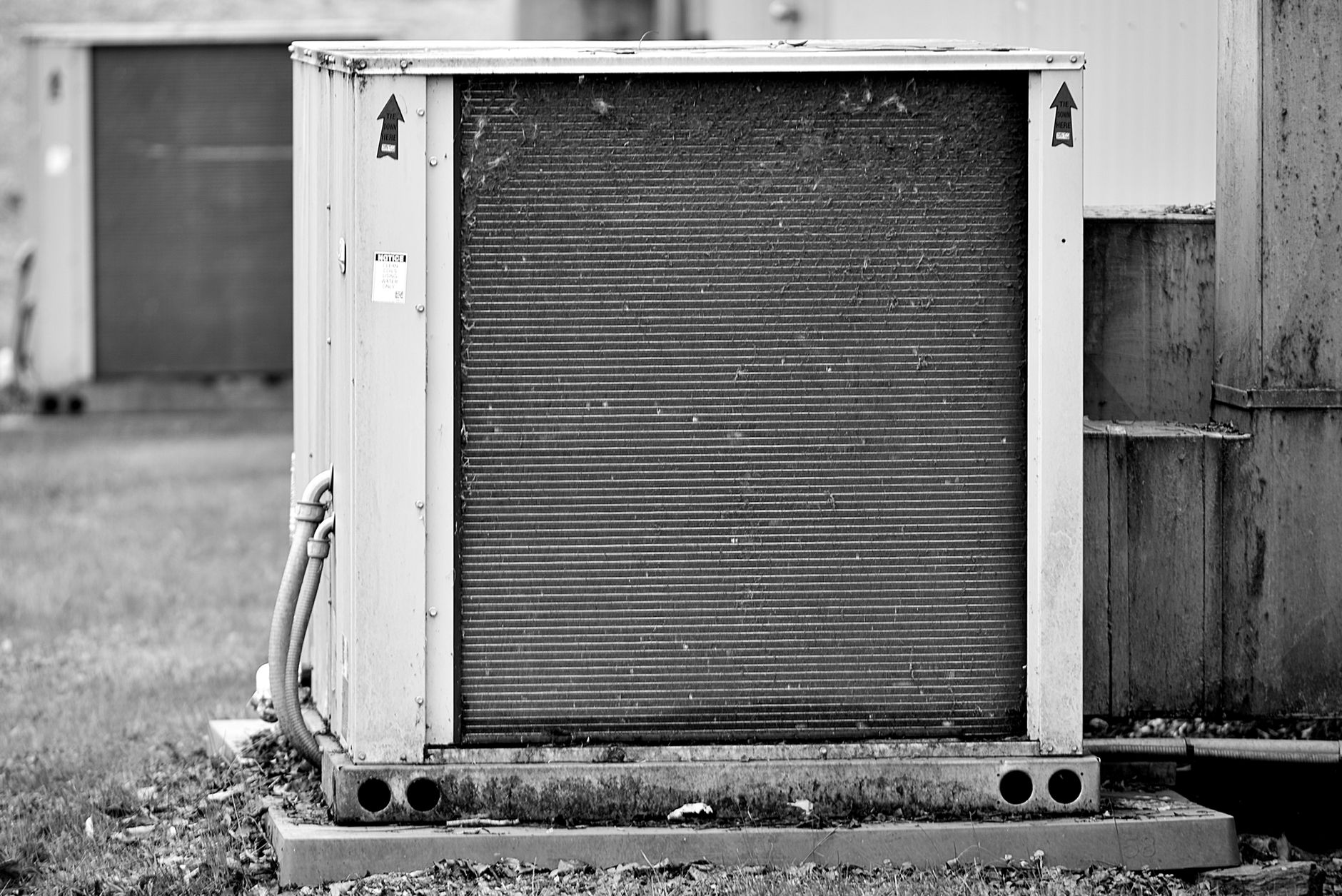
Stoke-on-Trent is a working industrial city, and its commercial HVAC needs reflect that far more than any office-town template would. The Potteries’ heritage ceramics industry brings high-temperature process environments; the Etruria Valley Enterprise Zone and Trentham Lakes bring a fast-expanding distribution base. Both are dominated by ventilation and heat-management problems rather than comfort cooling — and both reward getting the fan energy, heat recovery and controls right before anyone talks about a full plant replacement. A good contractor designs, installs and maintains commercial HVAC across the ST postcode area, starting from how each building actually draws.
Commercial HVAC installation and system design in Stoke-on-Trent
The single most important design insight for a Stoke industrial building is that it spends most of its hours well below peak load, so part-load efficiency and controls usually matter more than headline plant capacity. A ceramics workspace with process heat, or a Trentham Lakes distribution shed with a large volume to condition, is a ventilation and heat-recovery problem first.
Ventilation, air handling and VRF matched to the building
In the large-volume sheds around Trentham Lakes and Park Hall, air handling units with EC fans and heat recovery, plus destratification to pull warm air back down from the roof, cut the fan and heating energy that dominates a warehouse bill. Ageing constant-volume rooftop AHUs are frequently better refurbished — EC-fan retrofit, new coils, heat recovery and filtration — than replaced outright, and a good contractor runs that as a whole-life-cost decision rather than a default rip-out. For the office and leisure stock around Festival Park, VRF air conditioning on low-GWP R32 or R454B handles the mixed comfort load, with heat recovery moving heat between zones instead of rejecting it. Good commercial ventilation and MVHR recovers up to around 90% of exhaust heat, which links indoor air quality directly to the energy bill — every m³ of fresh air brought in carries a heating cost unless that heat is recovered.
What commercial HVAC costs on a Potteries industrial site
Cost depends on load, zoning, plant-room access, refrigerant and any electrical upgrade. A sourced price ladder for each system type is on the cost guide; a figure for a specific building only comes from a survey and a load calculation. On a ceramics or distribution site the largest saving usually comes not from bigger plant but from cutting fan energy and recovering heat that is currently rejected — a refurbishment can deliver much of that for a fraction of a replacement cost. A good contractor puts real numbers to it from a survey and your meter data before quoting.
F-Gas maintenance and planned preventative maintenance
Any VRF or chiller across Stoke’s ST1 to ST6 commercial districts that holds a meaningful refrigerant charge is likely in scope for statutory F-gas leak checks. Around 2.4 kg of R410A crosses the 5-tonne CO2-equivalent threshold for at least annual checks; 50 tonnes means six-monthly and 500 tonnes quarterly. The work must be done by an F-Gas registered company, records kept, and the Environment Agency enforces it.
A planned preventative maintenance contract rolls those statutory checks into scheduled visits that also catch developing faults, keep plant running efficiently and protect warranties. For a distribution operator at Trentham Lakes or a ceramics business in the Potteries, the real value is uptime: a reactive breakdown that stops a line or leaves a workspace unconditioned costs far more than the visit that would have prevented it. Our HVAC maintenance and PPM schedules are built around SFG20 task frequencies and your actual installed plant.
Heat-pump electrification and MEES compliance
Stoke-on-Trent City Council works to a 2050 net-zero target, but MEES is the nearer legal pressure on owners and landlords. It is already unlawful to continue letting commercial space below EPC E, and the proposed EPC B standard by 2031 for buildings over 1,000 sqm would pull far more of the local office and light-industrial stock into upgrade scope. Because HVAC dominates modelled energy use, efficient plant, heat recovery and controls are the most direct route to the rating.
Electrifying heat with a commercial heat pump removes on-site combustion, but the running-cost outcome depends on SCOP and tariff. On 2026 caps electricity is roughly four times the unit price of gas, so a heat pump pays only where its seasonal efficiency closes that gap — around level to modestly cheaper at a SCOP near 3.5, potentially marginally more at lower field SCOPs. A good contractor models it from your data. Where a process already produces waste heat, as many ceramics and manufacturing sites do, heat recovery and commercial heat pumps can work together particularly well.
Why Stoke-on-Trent businesses work with us
A good contractor understands industrial buildings, not just offices. That means a good contractor leads with ventilation, destratification and heat recovery where a warehouse or ceramics workspace demands it, and it is candid when a refurbishment beats a replacement. The contractor's engineers must be F-Gas registered and keep the leak-check records the Environment Agency requires, and every new install should go in on low-GWP refrigerant so it is not stranded by the phase-down.
A good contractor quotes from a survey and, where available, half-hourly meter data — not a rushed phone estimate — and it sequences the capital sensibly: efficiency first, electrification where the SCOP maths works, then solar to offset the load. No urgency selling, no fabricated savings.
For a Potteries manufacturer or a Trentham Lakes distribution operator running more than one building, a good contractor holds the PPM and F-gas records across the estate under one point of contact and prioritises callouts by operational impact — a process-critical ventilation fault before a front-office comfort issue. A good contractor schedules planned works around production shifts and peak logistics windows so a refurbishment or a chiller swap does not disrupt the operation it is meant to support.
Areas around Stoke-on-Trent
A good contractor covers the six towns of Stoke and the full ST postcode area, including the ST1 to ST6 commercial districts, out to Newcastle-under-Lyme, Stafford, Crewe, Leek and Cheadle. On the industrial side that means Festival Park, Trentham Lakes, Park Hall, the Etruria Valley Enterprise Zone and Wolstanton Retail Park. A good contractor also works across the wider region — see our pages for Stafford’s nearest cities, Birmingham and Derby, plus Manchester and Coventry.
Common questions about commercial HVAC in Stoke-on-Trent
Do you handle high-temperature and process ventilation for ceramics sites?
Yes. The Potteries’ ceramics industry brings significant process heat, and our work across those buildings is ventilation, destratification and heat recovery first — managing and recovering the heat a process produces, rather than fighting it with comfort cooling. A good contractor designs from the process load and the building’s real air-change requirements.
Should I refurbish or replace my warehouse AHUs?
Often refurbish. An EC-fan retrofit with new coils, a heat-recovery section and upgraded filtration cuts fan energy and lifts air quality for far less than a full replacement — and with less disruption to a live distribution operation. Replacement makes sense where the casing is corroded or the duty has fundamentally changed. It is a survey-led, whole-life-cost decision.
How often do I need F-gas leak checks?
It depends on the refrigerant charge. At least annual at 5 tonnes CO2-equivalent, six-monthly at 50 tonnes, quarterly at 500 tonnes. Most commercial VRF and chillers hold enough refrigerant to be in scope. An F-Gas registered company must carry out the checks and keep the records, with the Environment Agency enforcing the duty.
Will a heat pump cut our running costs?
It depends on SCOP and tariff. Electricity is around four times the unit price of gas on 2026 caps, so a heat pump pays where its seasonal efficiency closes that gap — roughly level to modestly cheaper at a SCOP near 3.5, potentially marginally more at lower field SCOPs. A good contractor models it from your real data rather than quoting a headline figure. On sites with recoverable waste heat, the economics often improve.
What funding is available for commercial HVAC in Stoke-on-Trent?
The £7,500 Boiler Upgrade Scheme covers only heat pumps up to 45 kWth in England and Wales, not VRF, chillers or air handling units. Commercial HVAC is funded through the Annual Investment Allowance (100% on up to £1m a year) and, for companies, the 50% first-year allowance for special-rate assets — heating, ventilation and air-cooling plant is usually special-rate, so full expensing does not normally apply, with Climate Change Agreement relief on the levy for eligible energy-intensive sectors — relevant to some Potteries manufacturers. Confirm current rates on gov.uk.
Get a quote for commercial HVAC in Stoke-on-Trent
From a ventilation refurbishment at Trentham Lakes to a VRF upgrade at Festival Park or process heat recovery in the Potteries, a good contractor quotes from a survey and your real load data. Ask for a desk feasibility or browse our full range of commercial HVAC services. A good contractor will tell you honestly when a refurbishment is the better call — and never quote a saving it cannot model.
Postcodes covered in Stoke-on-Trent
- ST1
- ST2
- ST3
- ST4
- ST5
- ST6
- ST7
- ST8
- ST10
- ST11
Other areas covered
Get a quote in Stoke-on-Trent
SEO Dons Ltd publishes this site and replies to every enquiry by email. It does not install, service or maintain HVAC.