Commercial HVAC in Manchester
Serving Manchester and the wider Greater Manchester area, including Salford, Trafford, Stockport.
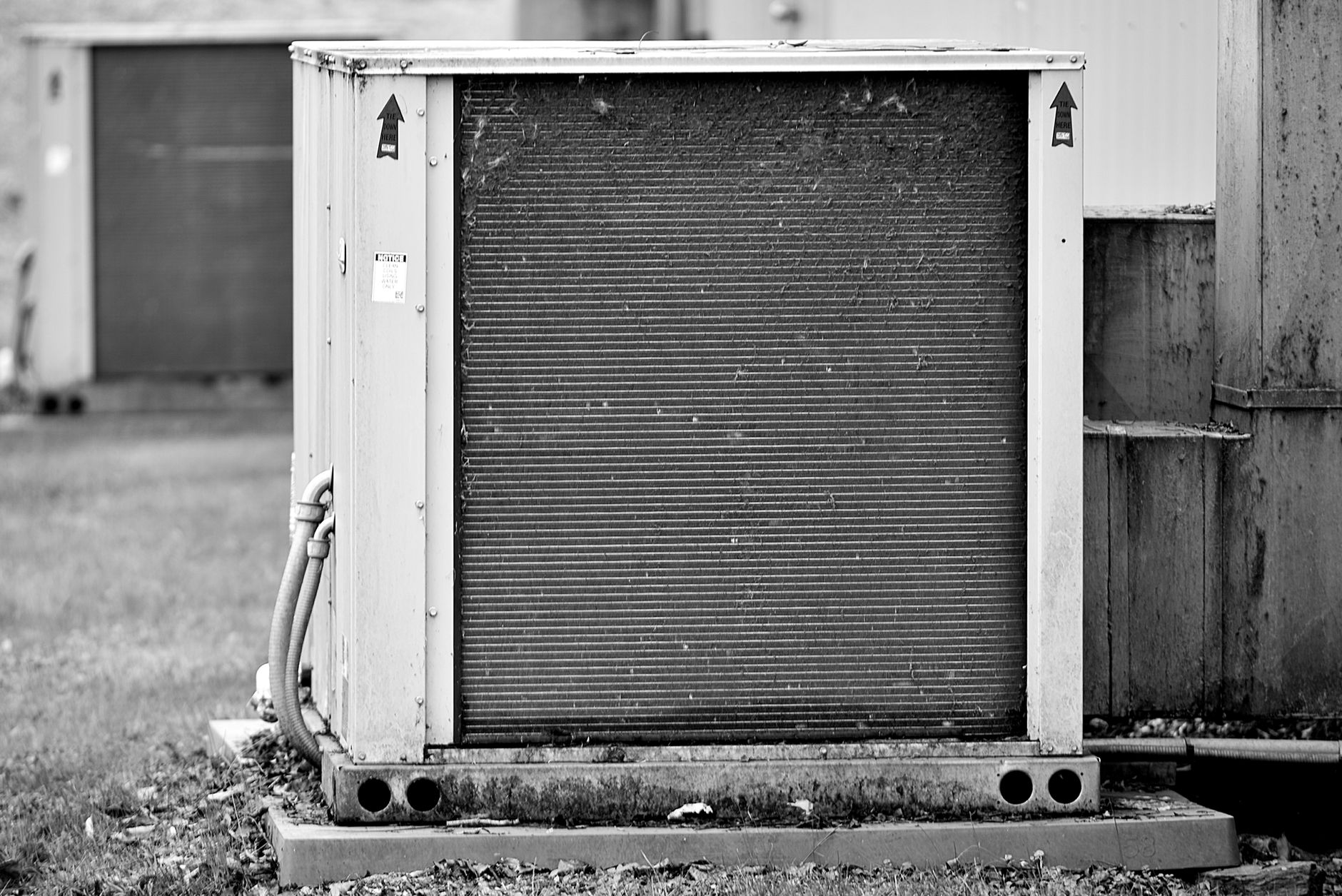
Commercial HVAC in Manchester
Manchester is a market of two halves for commercial HVAC, and getting the design right means recognising which half a building sits in. The city-centre commercial core, from Spinningfields and NOMA to MediaCityUK across the water at Salford Quays, is cooling-led: modern glazed office towers with dense occupancy and IT load call for year-round cooling on their interior zones, usually delivered by VRF or, at scale, chilled water. Out at Trafford Park, one of the largest industrial estates in Europe, the picture flips entirely: tall warehouse and manufacturing sheds where heat rises and stratifies, and where destratification, warm-air heating and good ventilation matter far more than air conditioning.
What ties the whole city together is ambition. Manchester’s 2038 net-zero target is the most demanding of any major UK city, a full seven years ahead of the national 2050 date, and it sits inside the Manchester Climate Change Framework. That target gives estates and facilities teams a genuine board-level reason to look at HVAC efficiency and heat electrification now rather than later, and with a typical mid-sized commercial site spending around £48,000 a year on energy, the payback maths often supports acting early.
Installation and system design
A good contractor designs and installs across both sides of the Manchester market: city-centre offices, hotels, retail and mixed-use in the M1 to M4 core, and light-industrial and warehouse space across Trafford Park, Wythenshawe, Sharston, Roundthorn and Openshaw.
Offices: heat-recovery VRF and chillers
For a Spinningfields or NOMA multi-let office, the efficiency prize is heat recovery. Because these buildings often need cooling on a sunny south face while the core or north face needs heat, three-pipe commercial VRF and VRV systems that move heat between zones beat banks of single splits. Above roughly 150 kW, or on a large MediaCityUK floorplate, a good contractor specifies commercial chillers with free-cooling and part-load control. The guide to air conditioning for offices covers zoning by aspect, meeting-room loads and who pays in a multi-let building.
Warehouses: the Trafford Park angle
A tall warehouse loses a large share of its heat to the roof void. Here the work is air handling units and destratification fans that push warm air back down, EC-fan upgrades that cut ventilation energy, and warm-air or radiant heating sized to the actual occupied zone rather than the whole cubic volume. This is a genuinely different discipline from office cooling, and it is where a lot of Trafford Park energy is quietly wasted.
F-Gas maintenance and planned PPM
Commercial systems holding fluorinated refrigerant carry statutory leak-check duties: at least annual at 5 tonnes CO2-equivalent, six-monthly at 50 tonnes and quarterly at 500 tonnes. Roughly 2.4 kg of R410A crosses the 5-tonne line, so most Manchester office VRF systems and larger chillers are in scope. These checks must be done by an F-Gas registered company with records kept, enforced by the Environment Agency.
Our HVAC maintenance and PPM contracts roll the statutory checks into planned visits, protect manufacturer warranties, and reduce the reactive call-outs that hit hardest in a fully-let building or a warehouse running a shift pattern. A good contractor builds the schedule around the SFG20 task list so nothing statutory is missed.
Heat-pump electrification and MEES
Manchester’s 2038 target makes electrification a live board question, but a good contractor gives the same honest answer here as anywhere: a commercial heat pump pays where the SCOP is good enough to close the roughly 4:1 gap between electricity and gas prices (about 24 to 25p per kWh electricity against 6 to 7p gas on 2026 Ofgem caps; confirm current figures on gov.uk).
At a field SCOP around 3.5 the running cost lands roughly level with, to around 12% below, a good gas boiler; at lower real-world SCOP it can cost marginally more. A good contractor models it from your building’s data, and it checks whether a large electrified load needs a DNO supply upgrade, often the longest-lead item on an industrial site. On the compliance side, it is unlawful to continue letting below EPC E, and EPC B is proposed for buildings over 1,000 sqm by 2031 (confirm on gov.uk), and efficient HVAC is one of the strongest levers to lift the rating.
Where the running-cost savings actually live
Manchester’s two markets save money in different places. In a Spinningfields office the prize is heat recovery and part-load control: a busy floor runs most hours below peak, so EC fans, demand-controlled ventilation and heat-recovery VRF that shifts heat from interior to perimeter tend to cut consumption more than an incremental efficiency step on the plant. In a Trafford Park warehouse the prize is stratification: warm air pooling under the roof while the floor stays cold is wasted heat, and destratification, right-sized warm-air or radiant heating, and demand-controlled ventilation recover it. Recognising which lever applies to which building is the whole point of a proper survey.
Funding a Manchester HVAC project
The £7,500 Boiler Upgrade Scheme covers only heat pumps up to 45 kWth in England and Wales, not VRF, chillers or air handling units. The Greater Manchester Combined Authority’s Local Industrial Strategy has included business-decarbonisation funding aligned to the 2038 target, and the national reliefs apply throughout: the Annual Investment Allowance (100% on up to £1m a year) and, for companies, the 50% first-year allowance for special-rate assets — heating, ventilation and air-cooling plant is usually special-rate, so full expensing does not normally apply, with Climate Change Agreement relief on the levy for eligible energy-intensive sectors. A good contractor plans a project around what genuinely applies. Confirm the current GMCA offer and the tax rules on gov.uk before budgeting.
Why work with us in Manchester
- Both disciplines under one roof: cooling-led office VRF and chillers, and heat-led warehouse destratification and ventilation.
- Whole-life-cost advice on refurbish versus replace for AHUs and chillers.
- Honest electrification modelling aligned to Manchester’s 2038 target, no fabricated savings.
- Staged programmes that keep offices let and warehouses operating.
Areas around Manchester
A good contractor covers Manchester across the M postcode districts and the wider Greater Manchester conurbation, including Salford, Trafford, Stockport, Tameside, Oldham, Rochdale and Bury. On the industrial side a good contractor works regularly across Trafford Park, Wythenshawe Industrial Estate, Sharston, Roundthorn and Openshaw. Nearby commercial centres are covered in Liverpool, Leeds, Bradford and Sheffield.
Manchester commercial HVAC FAQs
Why does Manchester’s 2038 net-zero target matter to my building?
At 2038 Manchester has the most ambitious major-city target in the UK, sitting inside the Manchester Climate Change Framework. It gives estates teams a concrete board mandate to improve HVAC efficiency and consider electrifying heat sooner rather than later, which often aligns with the point at which ageing plant needs replacing anyway.
My Trafford Park warehouse is expensive to heat. What helps most?
In tall industrial buildings the biggest quick win is usually addressing stratification, warm air pooling under the roof while the floor stays cold. Destratification fans, right-sized warm-air or radiant heating, and demand-controlled ventilation together tend to cut heating and fan energy more than a like-for-like heater replacement would.
Do you cover both Manchester offices and industrial units?
Yes. Office cooling with VRF and chillers, and warehouse heating and ventilation, are different disciplines, and a good contractor designs for both. That matters in Manchester because the city-centre core and Trafford Park need genuinely different systems.
Will a heat pump work on a Manchester industrial building?
Sometimes, but it depends on the heat demand, the flow temperatures needed and the electrical supply. A good contractor models the SCOP against your actual load before recommending it, and it is honest when a high-temperature process or a weak electrical supply makes it marginal.
How often do my office VRF systems need F-gas leak checks?
If the system holds 5 tonnes CO2-equivalent or more of refrigerant, at least annually; 50 tonnes, six-monthly; 500 tonnes, quarterly. Most commercial VRF systems are over the 5-tonne threshold. The checks must be carried out by an F-Gas registered company and logged.
Talk to us about your Manchester building
Whether you run a Spinningfields office, a MediaCityUK studio or a Trafford Park warehouse, a good contractor can survey your plant and model the options against Manchester’s 2038 target. Ask us about commercial heating, cooling and ventilation design, maintenance and electrification across Greater Manchester.
Postcodes covered in Manchester
- M1
- M2
- M3
- M4
- M5
- M6
- M7
- M8
- M9
- M11
- M12
- M13
- M14
- M15
- M16
- M17
- M18
- M19
- M20
- M21
- M22
- M23
Other areas covered
Get a quote in Manchester
SEO Dons Ltd publishes this site and replies to every enquiry by email. It does not install, service or maintain HVAC.